A lot of watches look good at $300 to $500 right up until you read the specs. Mineral crystal instead of sapphire. 50 meters of water resistance on a so-called sport watch. A vague movement listing with no clear service path. If you are shopping for automatic watches under 500, the real job is filtering out weak spec sheets and finding the models that deliver actual mechanical value.
That price range is where enthusiast buying gets interesting. You are no longer stuck with fashion-watch compromises, but you still need to choose carefully. Under $500 can get you a solid Japanese automatic movement, sapphire crystal, useful lume, and 100 to 300 meters of water resistance. It can also get you inflated branding and corners cut where it matters most. The difference is usually in the details.
What matters most in automatic watches under 500
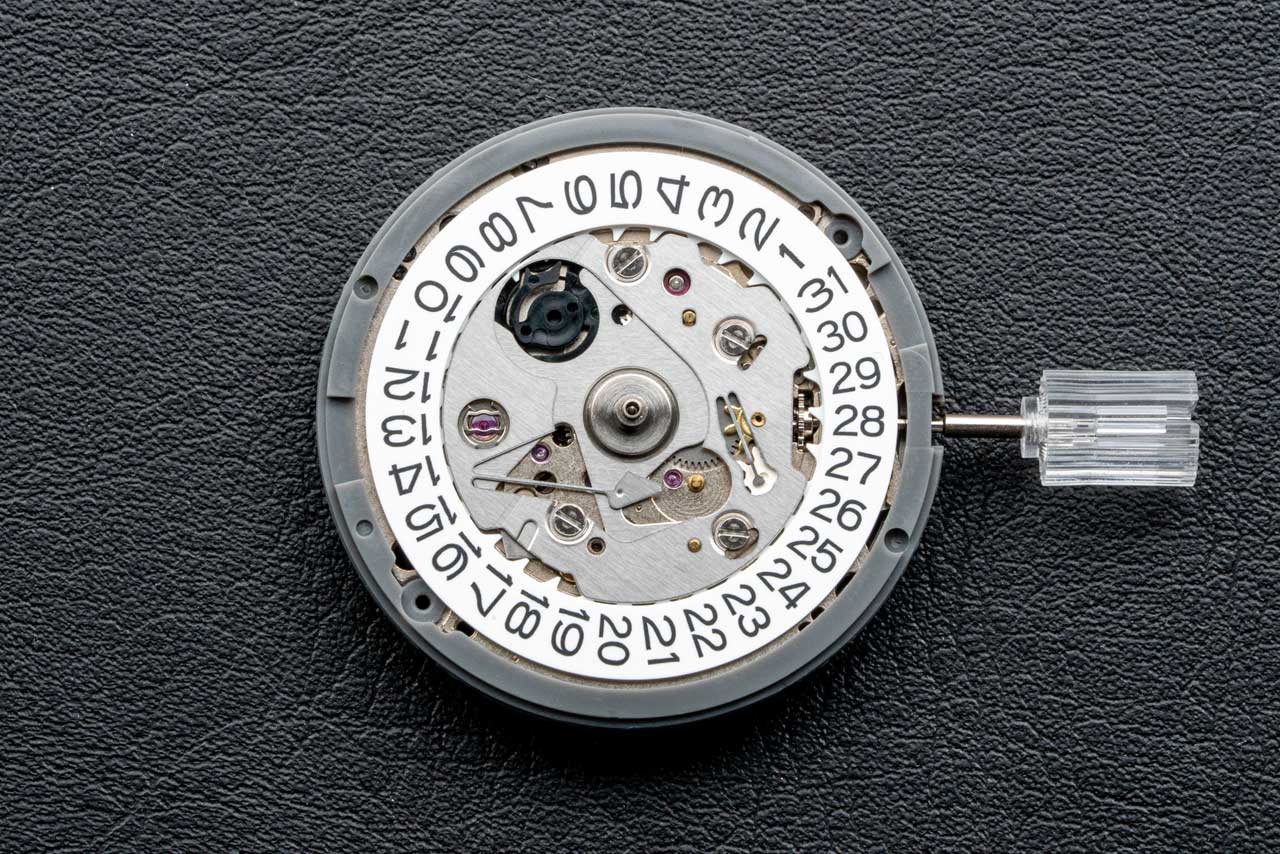
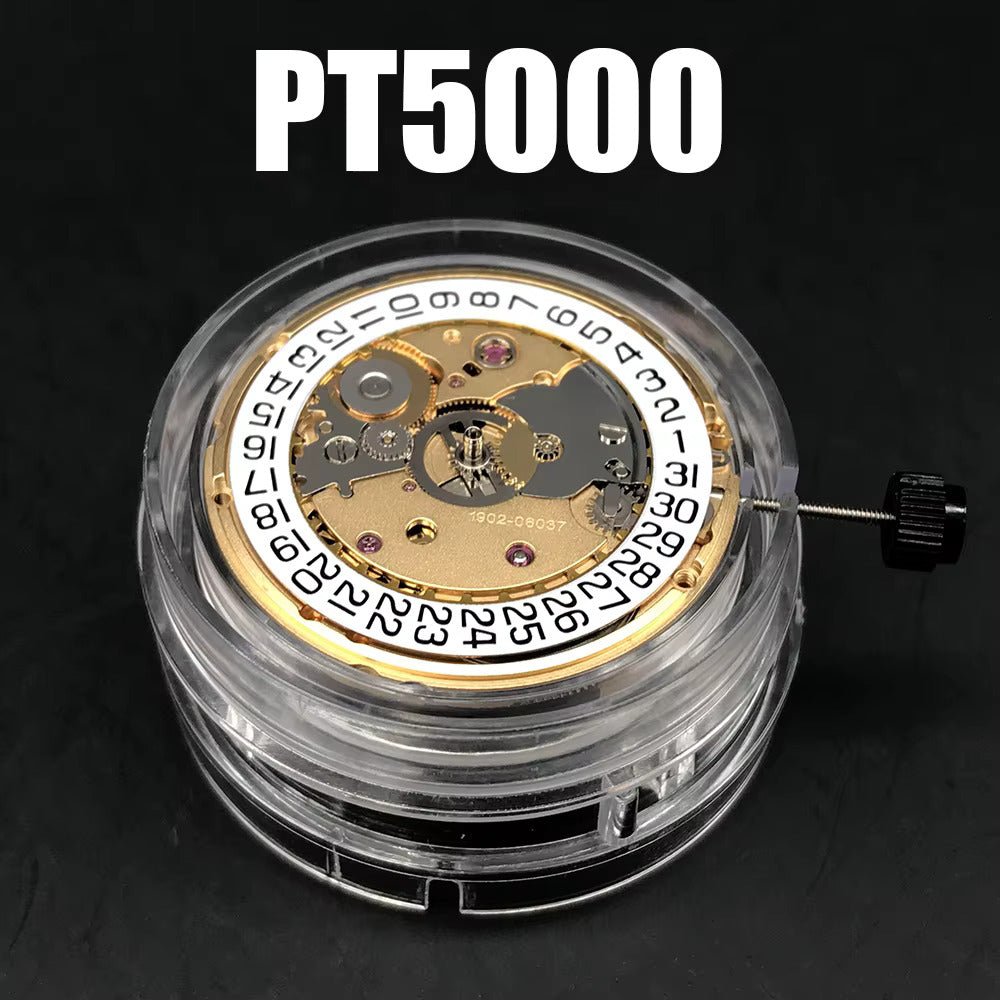
The movement comes first because it determines both ownership experience and long-term practicality. In this segment, proven calibers matter more than fancy marketing language. Seiko NH35, NH36, and NH34 are popular for a reason - they are common, durable, easy to regulate, and straightforward to replace if needed. Miyota 8215 remains a dependable budget automatic, especially if you care more about toughness than refined sweep. PT5000 can offer a smoother, higher-beat experience, but it also asks for more confidence in assembly quality and regulation.
There is no single best movement for every buyer. If you want a simple diver or field watch that can take abuse, NH35 and NH36 are hard to argue against. If GMT function matters, NH34 is one of the strongest value movements in this category. If you want a more premium feel on the wrist and are comfortable with a movement that can be a little more sensitive to execution, PT5000 can be a strong fit. The smart move is matching the caliber to how you actually wear the watch.
Case and crystal specs deserve equal attention. Sapphire crystal is one of the clearest dividing lines between entry-level value and disposable watch design. At under $500, sapphire should not be treated like a bonus on most tool-style models. The same goes for water resistance. A diver should generally be at 200 meters or better, not 50 or 100 with decorative timing bezels. A field watch at 100 meters is usually fine. A dress watch can live with less, but even then, basic everyday durability matters.
Lume, crown action, bezel feel, and bracelet quality are where many watches reveal their real ranking. A watch can have a good movement and still feel cheap if the bezel has excessive backplay or the clasp feels stamped and thin. On the other hand, a well-built case with clean brushing, solid end links, and strong lume can make a sub-$500 watch feel far more expensive than it is.
Choosing by watch type, not just price
One of the biggest mistakes buyers make is shopping only by budget ceiling. A better approach is to decide what category you want first, then compare specs inside that lane.
Diver watches
This is where the value segment is strongest. Automatic divers under $500 often deliver the best spec-per-dollar ratio because the category rewards practical features. You should expect at least 100 meters of water resistance, but 200 meters is the better target. Screw-down crown, luminous hands and markers, and sapphire crystal should all be high on the checklist. Ceramic bezels are increasingly common and worth considering if scratch resistance matters to you.
The trade-off with divers is size. Many affordable automatic divers run thick and broad across the wrist. If you have a smaller wrist, case diameter alone does not tell the full story - pay attention to lug-to-lug length and overall case height. A 40mm diver with a compact lug span can wear much better than a 42mm case with long lugs and a tall caseback.
Field watches
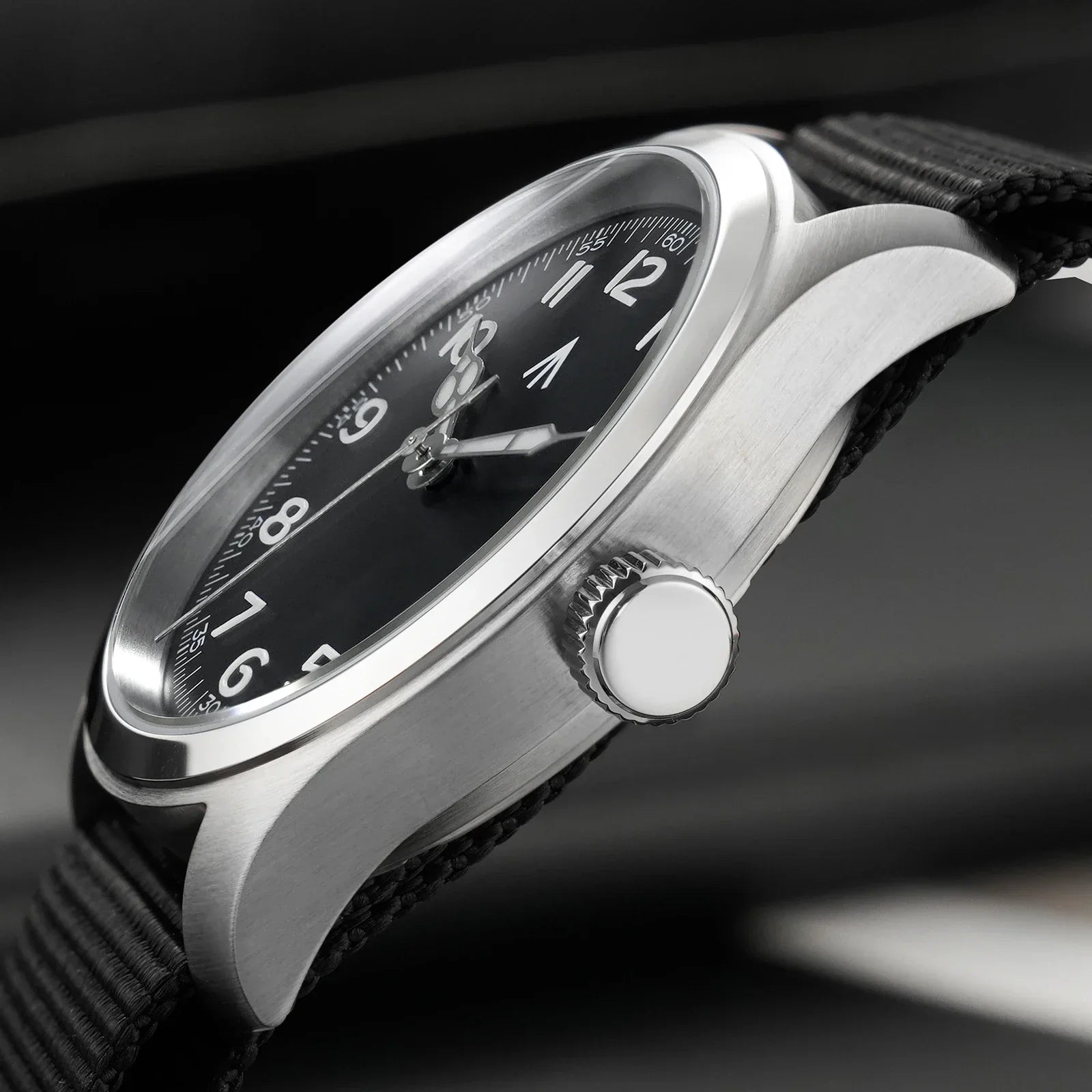
Field watches are usually the most versatile pick in this price range. They wear easier than divers, often come in the 36mm to 40mm range, and work well on bracelets, leather, nylon, or rubber. In the automatic segment, this category benefits from simpler construction. Fewer moving external parts can mean fewer weak points.
What matters here is dial legibility, case comfort, and movement reliability. You may not need 200 meters of water resistance, but 100 meters is a very usable baseline. Good field watches under $500 can be daily wear pieces in the most literal sense - easy to read, easy to maintain, and easy to pair with different straps.

Pilot watches
Pilot-style automatics under $500 can offer strong value if you like large dials, clean minute tracks, and oversized crowns. The appeal is straightforward readability and wrist presence. The risk is that some pilot watches become all dial and no substance, with large cases but only average finishing and weak lume.
A good pilot watch in this bracket should still give you sapphire, dependable automatic movement, and enough water resistance for everyday wear. If the watch is over 42mm, make sure the case design keeps the lug-to-lug under control. Big pilot watches can wear even larger than the specs suggest.
GMT watches
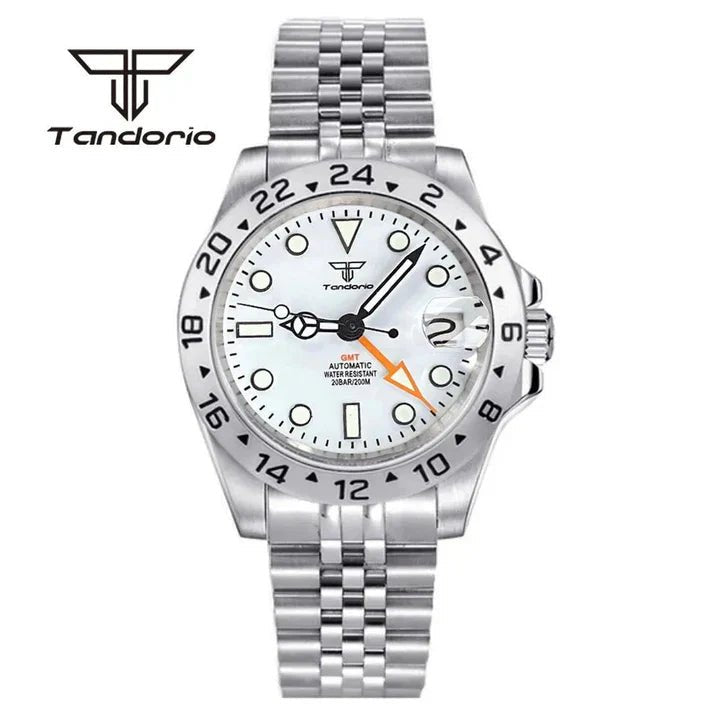
If you want function beyond time and date, GMT is one of the best complications available under $500. That is largely because the Seiko NH34 opened the door to affordable automatic GMTs with proven serviceability. For many buyers, a GMT under $500 makes more sense than paying extra for decorative finishing they rarely notice.
The key here is honesty about use. If you travel frequently or track another time zone for work, GMT is genuinely useful. If not, a simpler three-hand automatic may give you better case proportions and less dial clutter for the money.

Where value really shows up
In this market, value is not about getting the longest feature list. It is about getting the right features without paying for branding that does not improve the watch. A sapphire crystal you will appreciate every day is real value. A reliable NH35 with abundant parts availability is real value. A titanium case that cuts wrist fatigue on a larger diver is real value. The same goes for bronze if you specifically want patina and character, though bronze is more niche and not always the best one-watch choice.
This is why spec-driven brands keep gaining traction with enthusiasts. Buyers have learned to compare movement, crystal, case material, water resistance, and lume before they look at logo prestige. A watch with an NH35, sapphire, 200 meters of water resistance, strong lume, and a solid bracelet at a discount price is simply easier to justify than a similarly priced watch with weaker hardware and stronger marketing.
One practical advantage in this segment is mod potential. Watches built around common movements and standardized dimensions make future changes easier. That matters if you like swapping straps, upgrading hands, changing bezels, or replacing worn components years later. For hobbyist buyers, a well-chosen automatic under $500 is not just a purchase. It is a platform.
Common compromises to watch for
Not every compromise is bad, but some should be intentional. Mineral crystal is a cost-cutting choice you will notice over time. Hollow end links and weak clasps can be acceptable on cheaper watches, but they should not be hidden behind premium language. Exhibition casebacks look good in product photos, yet they often add thickness without improving performance. Likewise, an advertised 200-meter rating means more if the case, crown, and gasket execution inspire confidence.
Be careful with movement hype. A higher-beat caliber sounds attractive, but if the watch case, crown tube, and assembly standards are inconsistent, the movement alone will not save the ownership experience. In a lot of cases, a simpler NH-series watch built well is the smarter buy than a more ambitious specification assembled less carefully.
Dimensions also deserve more attention than they usually get. Buyers often focus on diameter and forget case thickness, lug-to-lug, and bracelet taper. Those details shape comfort more than a movement spec sheet ever will. A watch can be technically impressive and still spend most of its life in a drawer if it wears poorly.
How to buy smarter in this price range
Start with the non-negotiables. If you want a daily tool watch, sapphire and at least 100 meters of water resistance should be near the top. If you want a diver, push that to 200 meters and look for a screw-down crown. If movement familiarity matters, stick with NH35, NH36, NH34, or Miyota 8215. If you want a more refined beat rate, compare PT5000 options carefully and pay extra attention to case finishing and seller reputation.
Then look at the full package rather than isolated specs. A ceramic bezel is nice, but not if the bracelet is poor and the clasp is worse. Titanium is excellent for comfort, but only if the watch design suits your wrist and use case. A lot of buyers get the best results when they choose a watch that does 90 percent of what they want with proven components instead of chasing every possible feature.
That is where a store like Tandorio fits the conversation naturally. Buyers who compare watches by movement, sapphire, case material, and water resistance instead of brand mythology tend to find more value per dollar and fewer disappointments after the honeymoon period.
The best automatic watch under $500 is usually not the one with the loudest spec line. It is the one that gets the fundamentals right, wears well, and still makes sense after you have owned it for a year.