A lot of watches look like a deal until you read the spec sheet. Mineral crystal, vague movement info, weak lume, 30 meters of water resistance, and a price that assumes the logo should do the heavy lifting. The best value men's automatic watches are different. They earn attention with the parts that matter - proven calibers, sapphire, solid case finishing, useful water resistance, and dimensions that make sense on the wrist.
That matters more now because the affordable automatic category is crowded. Plenty of brands borrow the same tool-watch language, but the value gap shows up fast when you compare movement choice, case material, bezel construction, bracelet quality, and after-sale practicality. If you're buying for daily wear instead of brand flex, value is not about the cheapest watch. It's about getting enthusiast-grade specs without paying for marketing overhead.
What actually makes the best value men's automatic watches
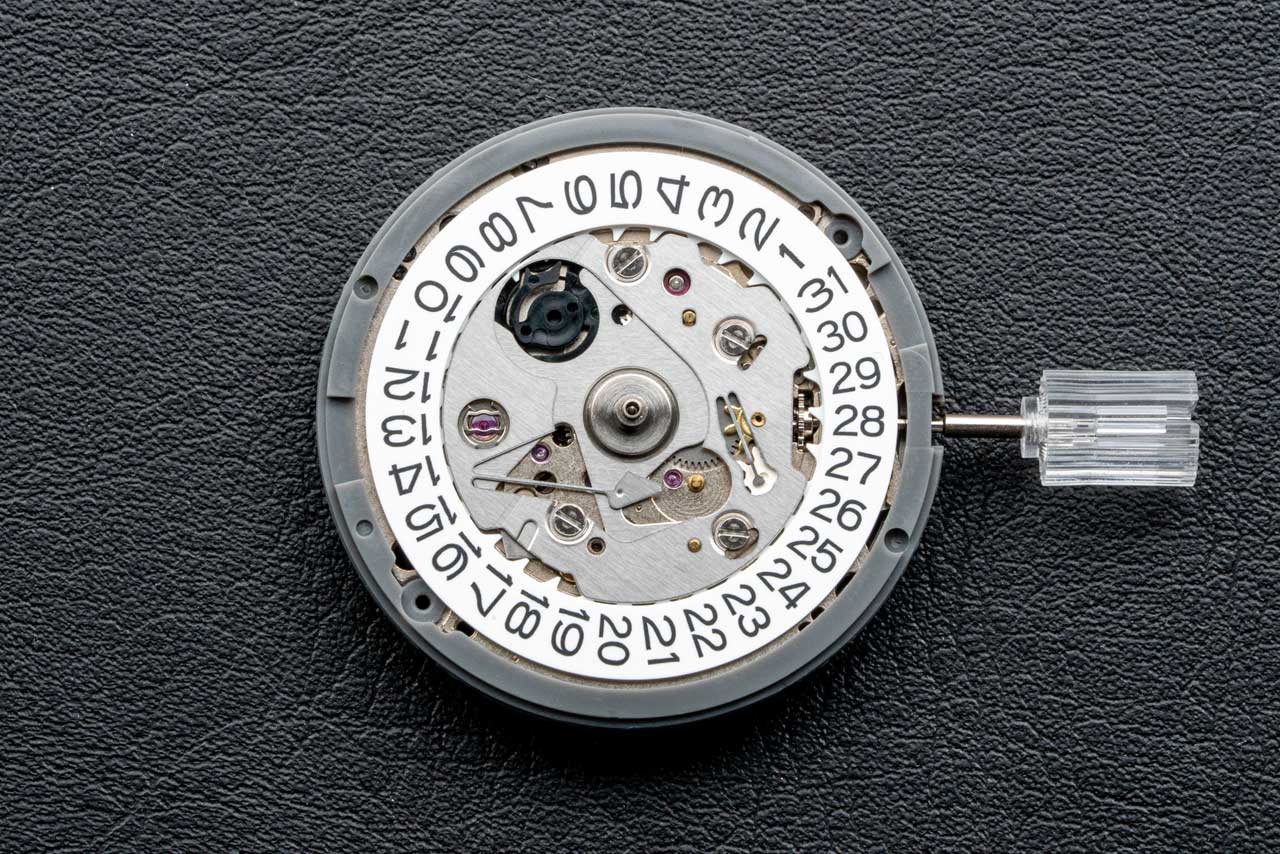
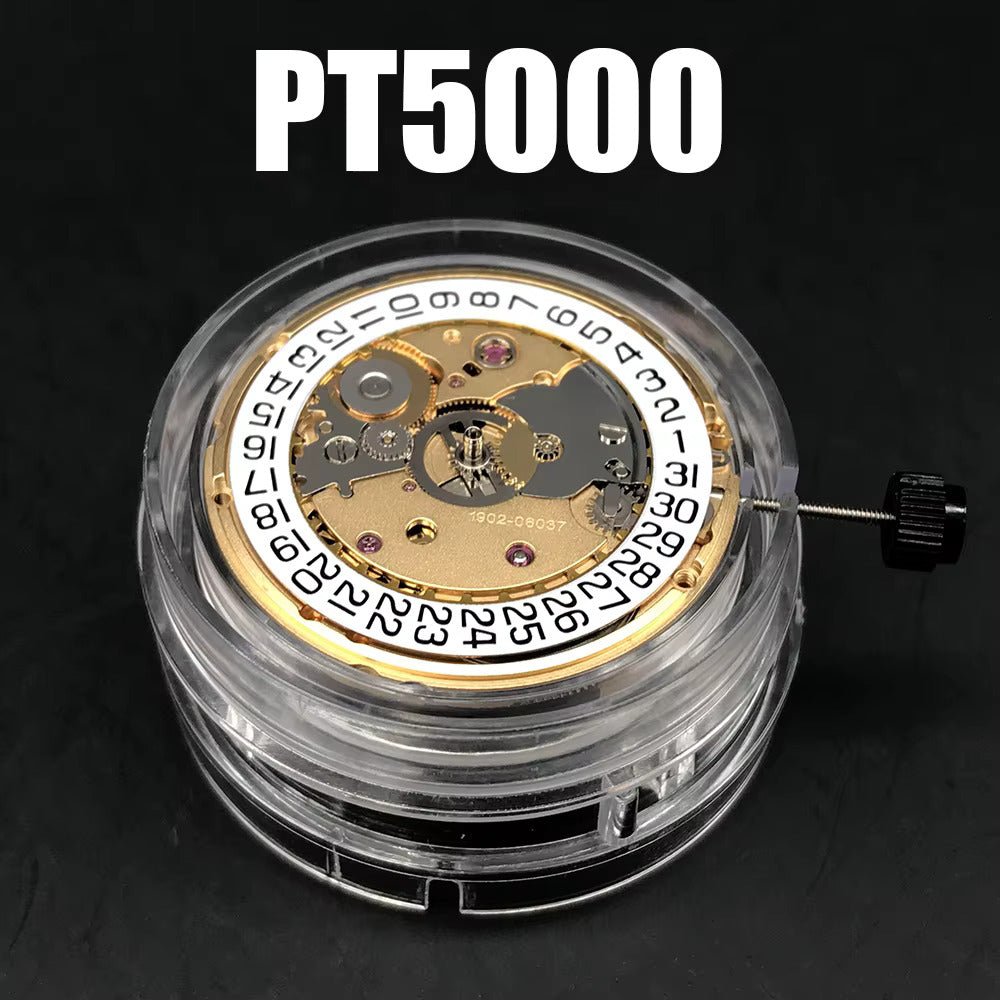
In this category, value starts with the movement. A watch using Seiko NH35, NH36, NH34, Miyota 8215, or PT5000 already has a clearer case than a watch using an unnamed automatic caliber. These movements are popular for a reason. They are known quantities, relatively easy to service or replace, and widely trusted by collectors who care more about long-term ownership than brochure language.
The crystal is the next filter. Sapphire should be close to standard if a brand is claiming serious value. It resists scratches far better than mineral crystal and changes how the watch holds up after months of daily wear. On a diver, pilot, field, or GMT model, sapphire is not a luxury add-on. It's part of the baseline spec that keeps the watch looking right.
Water resistance also separates real tool-watch value from cosmetic value. One hundred meters is a practical floor for many sports models. Two hundred or three hundred meters, especially paired with a screw-down crown and solid case construction, is where an affordable automatic starts to feel genuinely overbuilt for the money. Even if you never take it diving, stronger sealing usually signals a more serious build.
Then there is lume, bezel action, and case material. Good luminous paint matters on watches that borrow diver, pilot, and field DNA. So does bezel feel on a dive watch or GMT. Titanium, CuSn8 bronze, ceramic bezel inserts, and well-machined stainless cases can all be part of the value equation, but only if the price stays grounded. Premium materials are useful when they improve durability, weight, or wearability - not when they exist just to inflate the listing.
Best value men's automatic watches by type
The easiest way to shop this category is by use case, because the best spec package depends on what you actually wear.
Diver watches->
Affordable divers are still the strongest part of the automatic market. That is because the format rewards straightforward specs: rotating bezel, high water resistance, lume, screw-down crown, and easy legibility. If you are comparing dive watches, an NH35 or NH36 inside a 40 mm to 44 mm stainless or titanium case with sapphire crystal and 200 meters of water resistance is a very competitive starting point.

A good value diver should not feel fragile. You want crisp bezel action, a handset with enough contrast, and a case profile that does not become top-heavy. Ceramic inserts are a plus, but not at any price. If choosing ceramic means giving up a better bracelet or stronger lume, it may not be the better buy.
GMT watches->
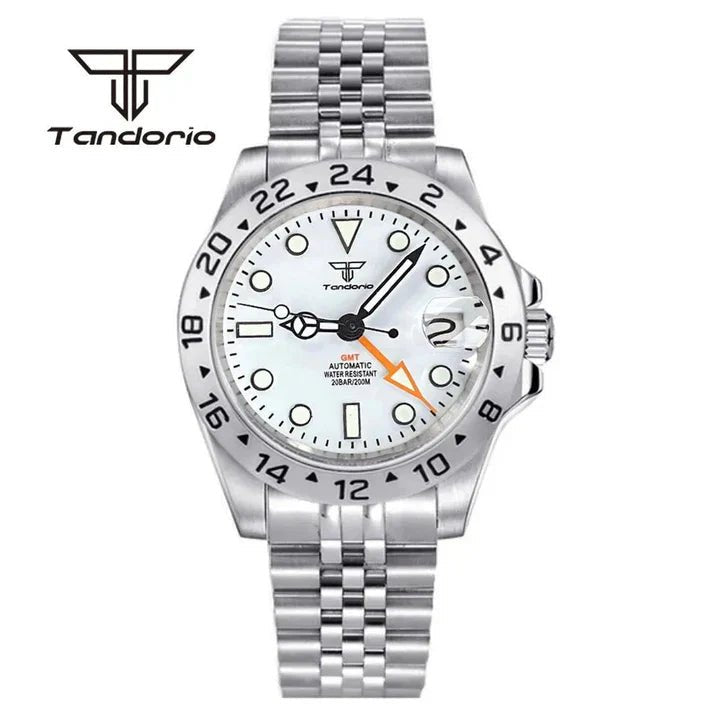
GMT value is more movement-sensitive. The NH34 changed the affordable GMT market because it gave buyers a recognizable automatic caller GMT option without jumping into much higher pricing. If you want travel utility or simply like the look of a 24-hour hand and bezel, NH34-based watches are among the clearest value plays right now.

The trade-off is thickness. Many affordable GMTs wear taller than time-only models, so dimensions matter. A strong value GMT is not just about getting the fourth hand. It needs a readable 24-hour scale, practical crown action, and a case that still feels balanced on the wrist.
Field and pilot watches->
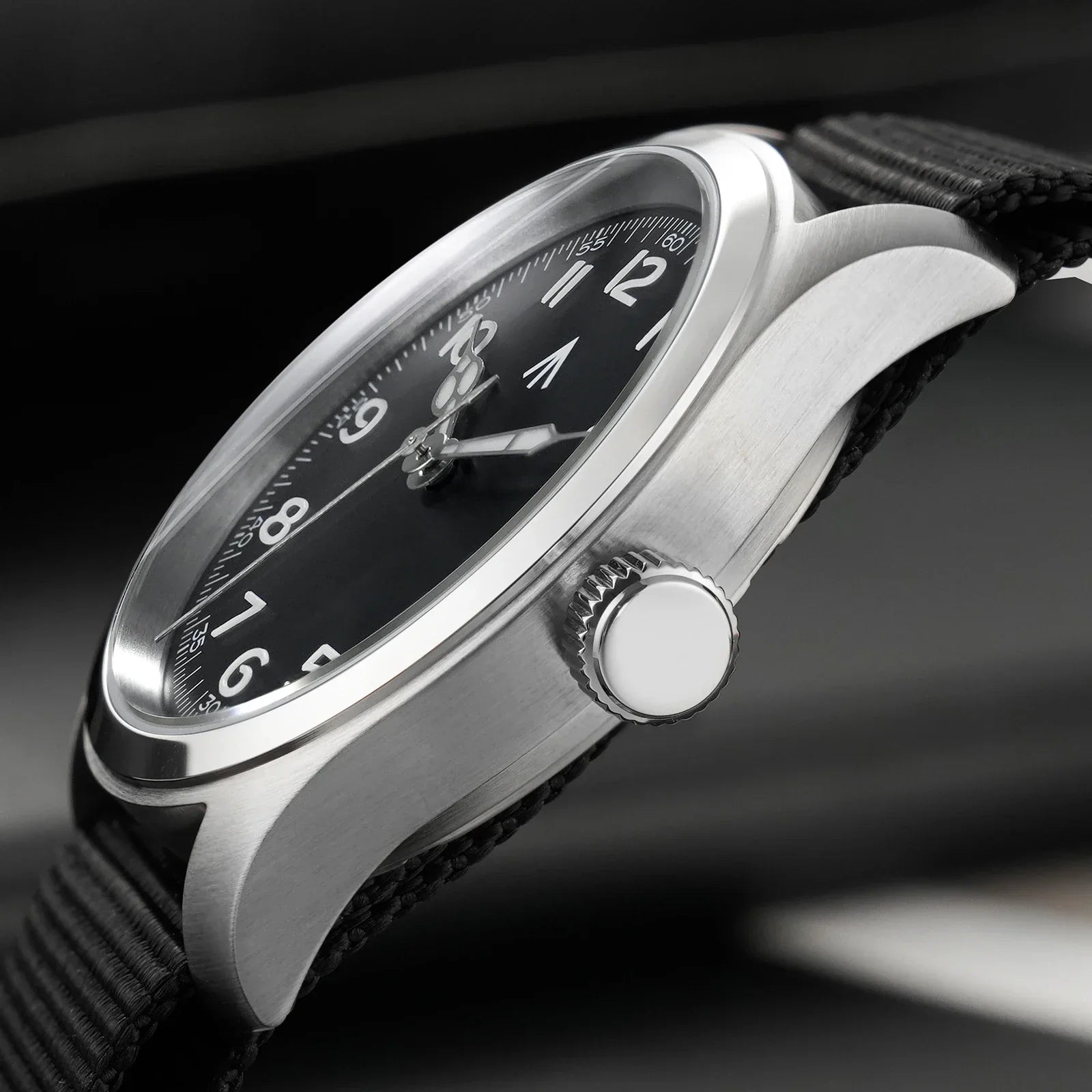
Field and pilot designs can be great values because the format is less dependent on expensive case architecture. If the watch uses a dependable movement, sapphire, and a clean dial with strong lume, it can outperform watches priced much higher. These are especially good choices for buyers who want everyday usability over rotating bezels or bracelet complexity.

This is also where size discipline matters most. Pilot watches often run large, which suits some buyers and not others. A 39 mm to 41 mm field watch with 100 meters of water resistance and an NH35 can be a better everyday buy than a bulkier diver if comfort is the priority.
Dress and open-heart models->
Value in dress automatics is different. You are usually trading maximum water resistance and heavy lume for case refinement, thinner profiles, and dial detail. Open-heart and skeletonized watches can be appealing, but they only count as strong value if legibility and finishing stay intact. A watch that shows off the movement but feels visually cluttered is not automatically a better purchase.

The spec traps buyers should avoid
The first trap is overpaying for style references without matching hardware. A watch can resemble a famous diver or pilot, but if it ships with mineral crystal, weak water resistance, and a generic movement description, the value proposition falls apart. Design familiarity is fine. Paying premium pricing for entry-level specs is not.
The second trap is ignoring total ownership value. Bracelet quality, strap compatibility, common lug widths, and movement serviceability all matter. A watch built around a popular caliber and standard dimensions is usually easier to live with than one using proprietary parts or obscure internals.
The third trap is assuming more complications always means better value. Sometimes a simple three-hand automatic with sapphire, 200 meters of water resistance, and excellent lume is the smarter buy than a cheaper GMT or open-heart piece that compromises on build quality. It depends on what you will actually use.
How to compare watches without wasting time
Start with the movement and crystal. If the listing does not clearly state the caliber and crystal type, move on. After that, check water resistance, case size, thickness, and lug-to-lug measurement if available. Many watches look competitive until you realize they are too thick, too long, or too lightly sealed for the role they are trying to fill.
Next, look at the case material and bezel setup. Stainless steel is still the default value leader, but titanium can be excellent if you want lower weight, and bronze has appeal if you like patina and character. Ceramic bezel inserts are useful on divers, though aluminum is not automatically bad if the watch is priced right.
Then compare the details buyers often skip: screw-down crown, lume quality, bracelet or strap type, clasp design, and whether the watch uses standard parts that are easy to replace or customize. For hobbyists and mod-minded buyers, this matters as much as the movement itself. A watch that accepts strap changes easily and uses enthusiast-friendly components can deliver better long-term value than a watch with flashier branding.
Where the market is strongest right now
The best values are usually in tool-watch categories with established enthusiast demand. Divers, GMTs, pilot watches, and field watches continue to offer the most spec for the money because the formula is well understood. Brands competing in this space know buyers are checking the movement, crystal, water resistance, and case material before anything else.
That is also why direct-to-consumer sellers often have an advantage. When a brand focuses on enthusiast-grade specs instead of department-store positioning, the budget can go into sapphire, better cases, stronger water resistance, and proven Japanese or high-value automatic movements. For buyers comparing spec sheets, that approach simply makes more sense.
A store like Tandorio fits this market well because it leans into what watch buyers actually compare: NH34, NH35, NH36, PT5000, Miyota 8215, titanium, bronze, sapphire, ceramic, and meaningful water resistance. That is how value gets built in this category - not with vague luxury language, but with parts and dimensions that hold up under scrutiny.
If you're shopping for the best value men's automatic watches, be strict with the filters and flexible with the logo. The right buy is usually the one with the strongest movement, the best everyday specs, and the fewest compromises for the money. When the case, crystal, water resistance, and movement all make sense together, the watch does not need a prestige price tag to be worth owning.